All Categories
Featured
Table of Contents
- – Shift towards Decentralized Development in Sau...
- – Regulative Navigation and Licensing Requirements
- – Functional Quality in the 2026 Labor Market
- – Digital Infrastructure and Supply Chain Logistics
- – Localization of Services And Products
- – Strategic Partnerships and Joint Ventures
- – Financial Planning and Tax Considerations
- – Sustainability and Environmental Governance
- – Adjusting to the Speed of the 2026 Economy

Shift towards Decentralized Development in Saudi Arabia
The economic environment in 2026 reflects a substantial departure from the centralized designs of the past. While significant metropolitan locations continue to bring in financial investment, the existing trend favors the development of specialized business centers in areas such as regional economic zones. This move toward decentralization becomes part of a broader strategy to distribute wealth and industrial ability across the various provinces. Organizations getting in the market this year discover that the competition in main cities has actually increased functional expenses, making the specialized zones in the surrounding regions significantly appealing for brand-new ventures.Market entry in 2026 needs more than simply a presence in the capital. It requires a granular understanding of how local towns manage their specific commercial goals. Each province has actually established its own identity, focusing on sectors like renewable resource, logistics, or specialized production. Companies that align their entry technique with these local specializations tend to discover more favorable regulatory support and a more concentrated swimming pool of talent. The focus has actually moved from general market protection to attaining operational excellence within a particular niche that serves both local need and export capacity.
Regulative Navigation and Licensing Requirements
Getting in the Saudi market in 2026 involves browsing a streamlined but strenuous regulatory framework managed primarily through the Ministry of Financial investment. The Regional Headquarters (RHQ) program is now completely mature, and its requirements influence how foreign entities structure their operations. For those taking a look at the local market, the choice between a limited liability business or a branch workplace depends greatly on the designated scope of work and the desire to participate in government procurement.Specific attention should be paid to the upgraded regional content requirements, often described as the Saudi Material (SDR) ratings. In 2026, these scores are a primary consider winning contracts. Businesses must show how they add to the regional economy through hiring, local sourcing, and domestic capital investment. Many organizations discover that Global Real Estate Hubs offers the needed data for threat evaluation and guarantees positioning with these scoring systems. Failure to satisfy these standards can limit a business's capability to scale, even if their services or product transcends to rivals.
Functional Quality in the 2026 Labor Market
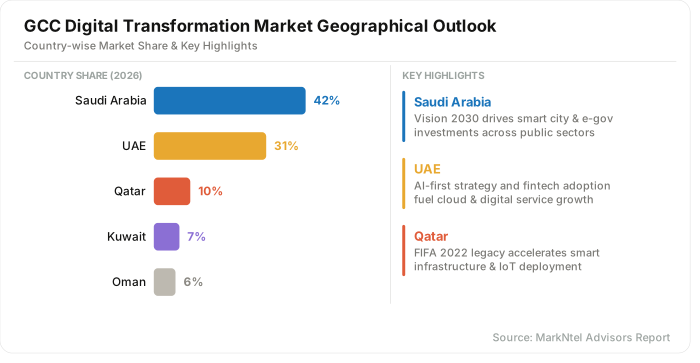
The labor market in 2026 is defined by an extremely knowledgeable, young Saudi labor force that has actually gained from years of specialized trade training programs. The Nitaqat system, which governs the employment of Saudi nationals, remains a main pillar of operational preparation. The focus has moved beyond easy compliance toward high-quality job production. Business in the regional hub are now evaluated on their ability to offer profession progression and technical training rather than simply meeting mathematical quotas.Operational quality in this context means incorporating Saudi talent into every level of the company, including middle and senior management. This combination helps bridge cultural gaps and provides insights into local consumer behavior that expatriate personnel might ignore. Recruiters in 2026 are progressively concentrating on soft skills and versatility, as the speed of technological modification needs a labor force that can pivot between various digital platforms and management styles. Managing this human capital successfully is frequently what separates effective market entrants from those who struggle to preserve consistency.
Digital Infrastructure and Supply Chain Logistics
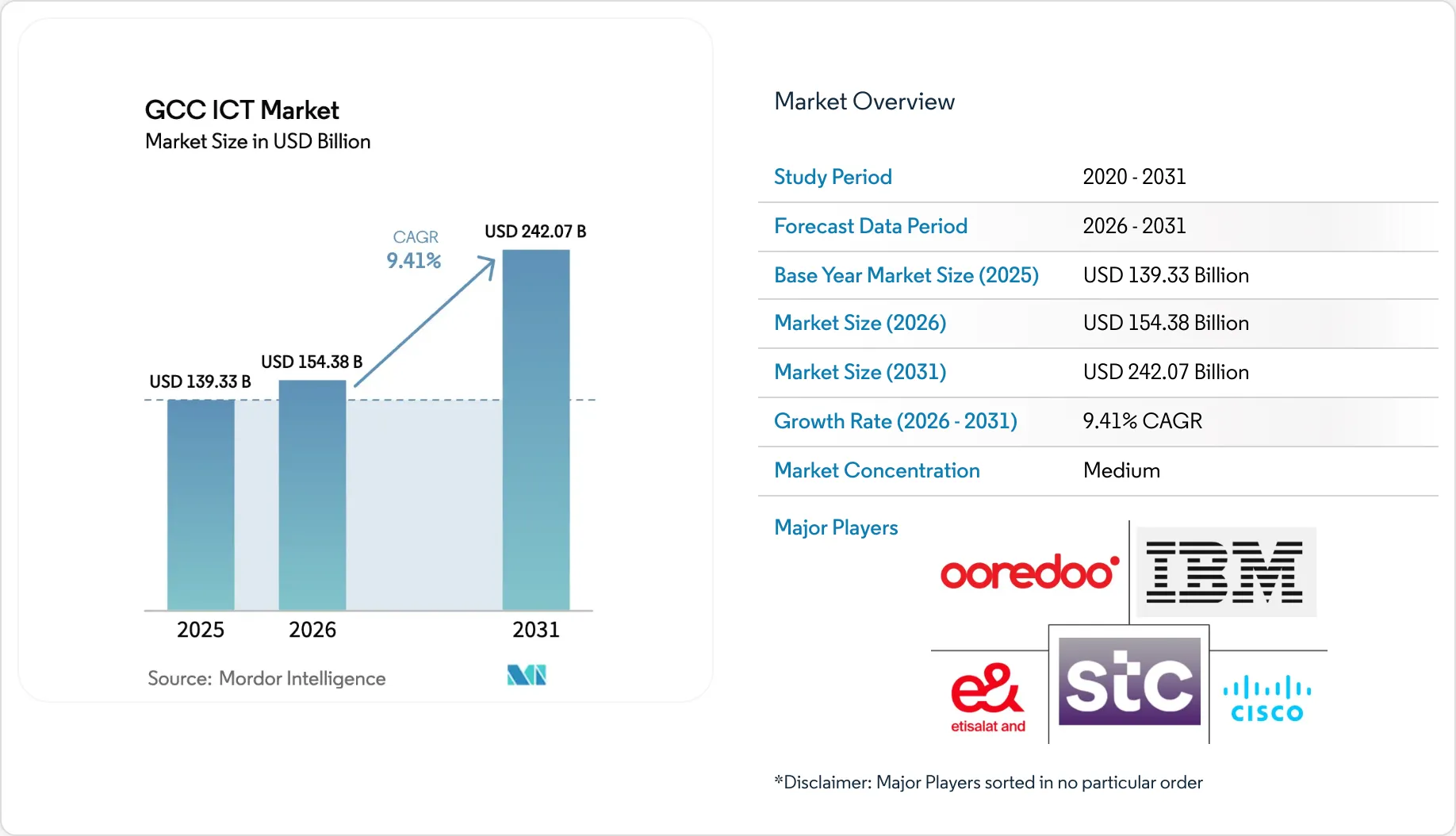
The physical and digital infrastructure in the western provinces has reached a level of maturity that supports high-speed commerce. By 2026, 5G and early 6G networks are basic across all significant commercial zones, enabling real-time tracking and automated logistics. For a service setting up in the local district, these advancements suggest that supply chain management is more predictable than it was simply a few years earlier. The combination of the Saudi Land Bridge task and broadened port capabilities has actually reduced preparations for imported components significantly.Success often depends on particular understanding of Real Estate to navigate local requirements and optimize the movement of goods. Companies are moving far from central warehousing in favor of distributed centers that sit closer to the end customer. This strategy minimizes the last-mile shipment expenses which had actually formerly been a discomfort point in the huge geography of the Kingdom. In 2026, making use of predictive analytics for inventory management is no longer a luxury however a requirement for preserving the margins necessary to contend with recognized local players.
Localization of Services And Products
One common error for worldwide firms is assuming that a worldwide product will fit the Saudi market without adjustment. In 2026, the Saudi customer is extremely critical and expects products to show regional tastes, environment conditions, and cultural worths. This is especially true in the provincial centers, where traditional values typically intersect with modern-day intake routines. Customization and localization are the main motorists of brand commitment in the current economy.This localization extends to marketing and communication. Standardized worldwide projects seldom resonate as well as those that utilize local dialects, images, and references to local landmarks within the relevant province. Services that purchase regional design groups or speak with local specialists discover that their time-to-market is much shorter and their initial reception is more favorable. The objective is to appear as a regional partner that comprehends the subtleties of the community instead of an outdoors entity enforcing a foreign model.
Strategic Partnerships and Joint Ventures
While 100% foreign ownership is available in lots of sectors, the value of a tactical regional partner stays high in 2026. A partner in the local area can offer instant access to established networks and a deeper understanding of the informal company culture that still plays a function in decision-making. These collaborations are often structured as joint ventures where the foreign entity supplies the technology and procedures while the local partner provides the marketplace gain access to and regulative expertise.Due diligence is more crucial than ever. In 2026, the openness of corporate records has enhanced, but validating the performance history and reputation of a possible partner needs boots-on-the-ground research study. The legal framework for joint endeavors has actually been updated to offer much better protection for intellectual home, which was a major issue for tech companies in previous years. Making sure that the collaboration is built on shared objectives and a clear division of responsibilities is the structure of long-term stability in the Middle East.
Financial Planning and Tax Considerations
The fiscal environment in 2026 is identified by a balance in between appealing incentives and a standardized tax program. While Corporate Income Tax uses to foreign shares in a business, Zakat is applicable to the Saudi part. Understanding the interaction between these 2 is vital for precise financial forecasting. Businesses running in the nearby economic cities might also receive tax vacations or custom-mades exemptions if they are situated within unique economic zones.VAT remains a consistent part of the transactional landscape, and the e-invoicing requirements presented years earlier are now fully integrated into every service system. Financial operational excellence requires a "digital-first" technique to accounting to make sure real-time compliance with the Zakat, Tax and Customs Authority (ZATCA) Business that maintain clean, transparent digital records find it a lot easier to repatriate revenues and manage audits without interrupting their daily operations.
Sustainability and Environmental Governance
By 2026, environmental, social, and governance (ESG) requirements have actually become a mandatory part of business discussion in Saudi Arabia. The Kingdom's dedication to net-zero targets has actually dripped down to the business level, where companies in the region are expected to report on their carbon footprint and water use. This is not simply a branding exercise but an element in acquiring financing from local banks and bring in top-tier talent.Operations that focus on energy effectiveness and waste decrease are frequently provided preferential treatment in government tenders. In sectors like construction, hospitality, and manufacturing, making use of sustainable products and renewable resource sources is now a competitive advantage. The services that prosper in 2026 are those that see sustainability as a core element of their functional strategy instead of an afterthought. This alignment with national objectives ensures that business stays appropriate as the economy continues its transition far from oil dependence.
Adjusting to the Speed of the 2026 Economy

The speed of organization in 2026 is much faster than ever. Decision-making cycles have compressed, and the expectation for digital responsiveness is high. For an organization going into the market, this indicates that local management teams need to be empowered to make choices without awaiting approval from a worldwide headquarters in a various time zone. Agility is a specifying characteristic of effective firms in the present Middle East economy.The entry techniques that work today are those that integrate global requirements with deep local integration. Whether it is through using advanced logistics or the advancement of a localized labor force, the emphasis is on producing a sustainable presence that adds to the development of the local province. As the 2026 financial calendar progresses, the opportunities within these emerging hubs continue to broaden for those who approach the marketplace with a long-lasting view and a dedication to functional excellence.

Table of Contents
- – Shift towards Decentralized Development in Sau...
- – Regulative Navigation and Licensing Requirements
- – Functional Quality in the 2026 Labor Market
- – Digital Infrastructure and Supply Chain Logistics
- – Localization of Services And Products
- – Strategic Partnerships and Joint Ventures
- – Financial Planning and Tax Considerations
- – Sustainability and Environmental Governance
- – Adjusting to the Speed of the 2026 Economy
Latest Posts
Key Equity Trends Across the GCC
Reshaping Middle East Sectoral Expansion for Growth
Benefits of Diversified Asset Allocation in 2026
Latest Posts
Key Equity Trends Across the GCC
Reshaping Middle East Sectoral Expansion for Growth
Benefits of Diversified Asset Allocation in 2026